Movie: Your Name (Japan)
-
 7 Tips for Building Meaningful Relationships in the Age of Hyperconnection
Technology has transformed how we connect and interact with other people.
Beyond economics, this relationship has an older history. Since the 1980s, the influence of Japanese animation and series was clear: the Mexican market started developing its own versions of these products and toys, highly valued by viewers. This gave way to Japanese products such as dramas, but also those from China —especially in the gastronomic field— and South Korea —especially makeup and music.
Asia has gained popularity as a tourist destination among Mexicans: countries such as Japan, South Korea, Thailand, and China have become popular destinations for Mexican tourists due to their culture, food, landscapes, and attractions.
Here are 9 examples of the impact that Asian culture has had in Mexico:
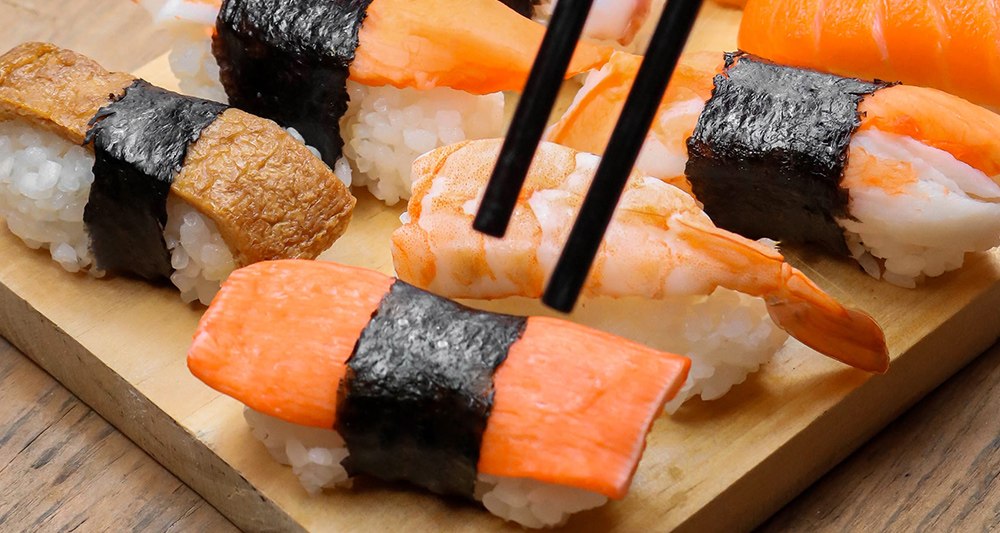
1. Food: Japanese food, especially sushi, has become an important part of the gastronomic scene in Mexico during the last decades. However, Chinese food restaurants also lead with countless buffet locations. More recently, Thai and Korean food have spread in the country; There are even areas in Mexico City where there is a wide variety of stores and restaurants whose owners are migrants from these countries. It is common to find restaurants that serve traditional Asian dishes, or Mexican-Asian fusion places.
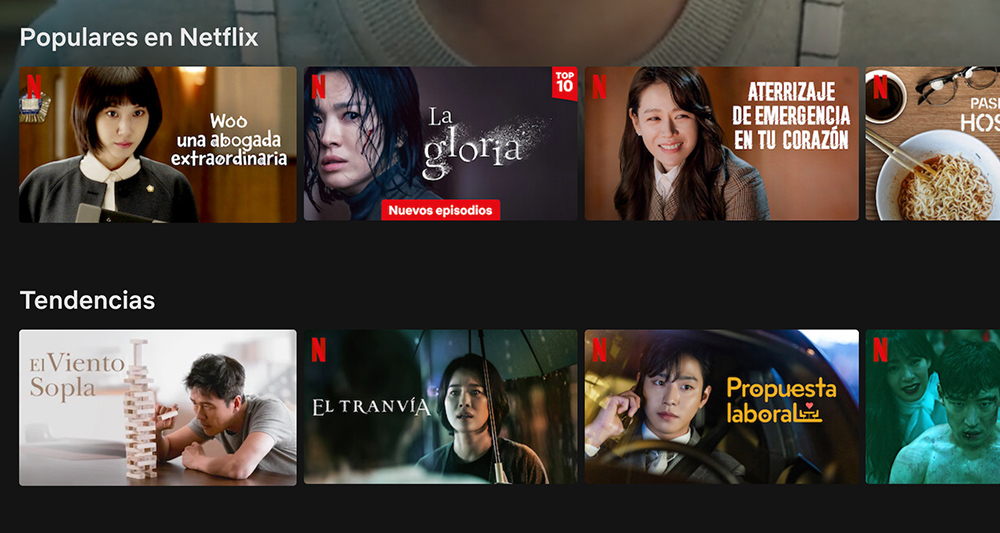
2. Soap operas: We already talked about how Japanese dramas slowly entered national television, but in recent decades Korean soap operas, also known as K-dramas, have gained a large following in Mexico. Its popularity has increased so much that it can now be seen both on TV and streaming platforms.
3. Video games: The video game industry in Mexico has been strongly influenced by games produced in Asia, especially in Japan and South Korea. These include many of the most popular today, such as Pokémon and League of Legends.
4. Martial arts: Some disciplines, such as karate and taekwondo, have been practiced for a long time in the country, so much so that the Mexican taekwondo Olympic delegation has obtained several medals in this sport. However, sports like kung fu and muay thai are being practiced more and more frequently in Mexican gyms.
5. Cosplay: The art of dressing up and acting like fictional characters. In Mexico, it has gained a large following and many cosplayers are inspired by Japanese anime and manga characters.
6. Technology: Asian technology companies, such as Samsung, Huawei, Vivo and Xiaomi, have been a good match to Western brands due to their high-quality products and competitive prices.
Movie: Your Name (Japan)
8. Art and architecture: Traditional Asian architecture has influenced the design of large cities in the country. For example, some modern houses have Japanese-style sloping roofs, but it is also common to find places with Japanese-style interior design. For their part, Asian street artists have influenced urban art in Mexico, especially in murals and graffiti in Mexico City and Guadalajara.
9. Fashion: Brands like Uniqlo or Supreme, which originated in Asia, are very popular in the country, especially among younger generations. In addition, traditional kimonos and hanboks have also gained popularity as clothing items and design objects.
The influence of Asian culture in Mexico extends to other areas such as education, tourism and philosophy. For example, the teaching of Asian languages and culture has become more common in Mexican schools and universities. Student exchange programs and collaboration agreements between educational institutions in Mexico and Asia have increased, allowing students from both continents to learn and experience foreign culture first-hand.
Finally, Asian philosophy, especially Buddhism and Taoism, have spread more and more, having a presence in areas such as meditation, health, well-being, and critical thinking.
In general, the influence of Asia in Mexico is the result of a combination of historical, cultural, geographical and economic factors that have achieved greater interaction and understanding between both regions. Undoubtedly, this influence crosses many different areas of Mexican society and it is through this cultural diversity that opens up new ideas and ways of thinking that contribute to enriching the daily lives of people and society as a whole.
Technology has transformed how we connect and interact with other people.